What Counts as Cash to Close Before an Offer?
Short answer: Cash to close includes more than the down payment: settlement charges, prepaids, escrow funding, and reserve math buyers should protect before they commit.
Questions this article answers
- What counts as cash to close before an offer?
- Does earnest money count toward cash to close?
- Why can escrow and prepaids change the number?
- How should reserve cash fit into the upfront plan?
What counts toward cash to close before an offer is the settlement money a buyer still needs after the down payment, lender and title charges, prepaid items, escrow funding, and any earnest-money credit are added together.

Who this guide is for
Use this page when the purchase looks possible but the upfront wire, deposits, and reserve hit are still fuzzy.
- Buyers who know the list price they want to target but are less certain about the upfront cash burden.
- Households trying to separate earnest money, down payment, closing costs, prepaids, and escrow instead of treating them as one blurry bucket.
- Readers comparing “we can probably make this work” against a more disciplined offer strategy.
- Anyone who has already read our payment-first affordability guide and now needs the upfront-cash side of the decision.
What cash to close usually means
Buyers often hear one sentence that sounds simple: bring your cash to close. The problem is that the phrase hides several different money movements. Some items are true closing costs. Some are prepaids or escrow deposits. Some, like earnest money, may have been paid earlier and can reduce what still has to be wired at settlement. Others, such as inspections, appraisals, or moving expenses, can hit before or outside the closing table even though they still affect whether the purchase is workable.
The CFPB’s home-buying cost overview is useful here because it keeps the full cost picture together instead of pretending that “purchase price” and “mortgage payment” answer the whole question. Freddie Mac’s upfront-cost budgeting guide does the same from a buyer-planning angle: save for more than the down payment, because the offer process and closing process pull cash at different points.
| Line item | Usually part of cash to close? | When it is often due | What changes it |
|---|---|---|---|
| Down payment still due | Yes | At settlement, minus any earnest money already credited | Purchase price, loan type, down-payment strategy, seller concessions |
| Lender and title closing costs | Yes | At settlement | Loan amount, rate lock choices, title company pricing, state and county recording rules |
| Prepaids | Usually yes | At settlement | Closing date, daily interest, first premium timing, local tax calendar |
| Initial escrow funding | Usually yes when escrow is required | At settlement | Property taxes, insurance premium, reserve cushion, lender rules, closing month |
| Earnest money deposit | Usually credited against the final amount rather than added twice | After contract acceptance or on the builder’s schedule | Offer terms, local custom, builder contract rules, contingencies |
| Inspection, appraisal, moving, and utility setup | Often outside the formal closing figure | Before closing or immediately after | Inspection scope, lender appraisal, distance of move, utility deposits, repairs before occupancy |
The easiest mistake: mixing up earnest money, down payment, and closing costs
These are not interchangeable concepts. Earnest money is a contract deposit that shows seriousness and may be credited later. The down payment is the equity portion you are putting into the purchase. Closing costs are the lender, title, recording, and settlement expenses needed to complete the transaction. Prepaids and escrow funding are separate again. Buyers who mentally collapse all of that into “my down payment” usually underestimate how much liquidity has to be available before the keys are handed over.
That distinction matters because the strain starts before closing day. An earnest money deposit can leave checking earlier than expected. Inspection and appraisal bills can land before the final loan package is settled. Then, when the formal settlement statement arrives, the buyer still has to fund the remaining down payment, the closing charges, and any prepaid items. That is why a purchase can feel safe on a monthly-payment spreadsheet and still become uncomfortably tight in cash-flow terms.
Why prepaids and escrow make the number jump
The biggest surprise is often not the lender fee sheet. It is the fact that taxes and insurance have timing. Depending on the state, county, insurer, and closing month, the settlement statement may need daily interest, the first year’s insurance premium, and several months of escrow reserves. That is why two homes with similar prices can create very different cash-to-close requirements.
The insurance piece deserves special attention. The CFPB advises buyers to get an informal insurance estimate before committing to a house, especially where location risk or prior damage may change availability or price. If the quote comes in far above your placeholder estimate, the effect is not just on the monthly payment. It can also increase the amount that has to be funded before closing.
Property taxes can do the same. A buyer who budgets from old listing-site numbers without checking local timing, reassessment behavior, or escrow requirements can underestimate both the monthly carrying cost and the upfront wire amount. The wrong placeholder assumption does not stay small merely because the list price looked manageable.
A realistic worksheet before you make an offer
Use one worksheet for the entire move, not separate scraps of math. The point is not perfect prediction. The point is preventing preventable surprises before earnest money is on the line. The example below is illustrative, not a quote. It shows how the final number can climb even when the purchase itself still looks normal.
| Illustrative $350,000 purchase worksheet | Estimated amount | Why it is there |
|---|---|---|
| Down payment at 10% | $35,000 | Core equity contribution before lender financing fills the rest. |
| Loan and title closing costs | $7,200 | Lender charges, title work, settlement services, recording, and related items. |
| Prepaid interest and insurance | $2,100 | Depends on closing date, insurer quote, and when the first payment cycle begins. |
| Initial escrow funding | $2,900 | Funds the tax and insurance reserve the servicer wants at closing. |
| Less earnest money already paid | -$5,000 | Credited against the total still due if contract terms hold. |
| Estimated cash to close at settlement | $42,200 | This still excludes moving costs, utility setup, and any immediate repairs. |
The lesson is not that your own number will look like this. The lesson is that the offer-stage question should never be “Can we scrape together the down payment?” It should be “Can we cover the full settlement cash, the pre-closing bills, and the first few months of ownership without stripping our reserves to the bone?”
What can still change between the estimate and the closing table
Cash to close becomes dangerous when buyers treat the first estimate like a final invoice. The CFPB’s Closing Disclosure guide matters because it frames the final review point correctly: compare the Closing Disclosure with the Loan Estimate and review what moved before money is sent. The timing matters too. The CFPB says borrowers should receive the Closing Disclosure at least three business days before closing, which is exactly why late surprises deserve scrutiny instead of resignation.
Common reasons the number drifts
The final settlement figure can move for normal reasons, which is why buyers should look at the line items rather than treating every change as either harmless or fatal.
- The insurance quote was too optimistic when the early worksheet was built.
- The closing date shifted, changing prepaid interest or escrow timing.
- Seller credits changed during inspection or repair negotiations.
- The loan structure changed because the rate lock, points, or cash-reserve plan changed.
- Title, recording, or local government charges were estimated broadly instead of specifically.
Rate sensitivity belongs in this conversation too. Freddie Mac’s mortgage-rates explainer notes that even small rate differences can change payments meaningfully. That does not just matter for the long-term monthly budget. A changed rate or pricing choice can also alter lender charges or the amount of cash a buyer wants to preserve instead of spending upfront.
A buyer checklist before the offer goes out
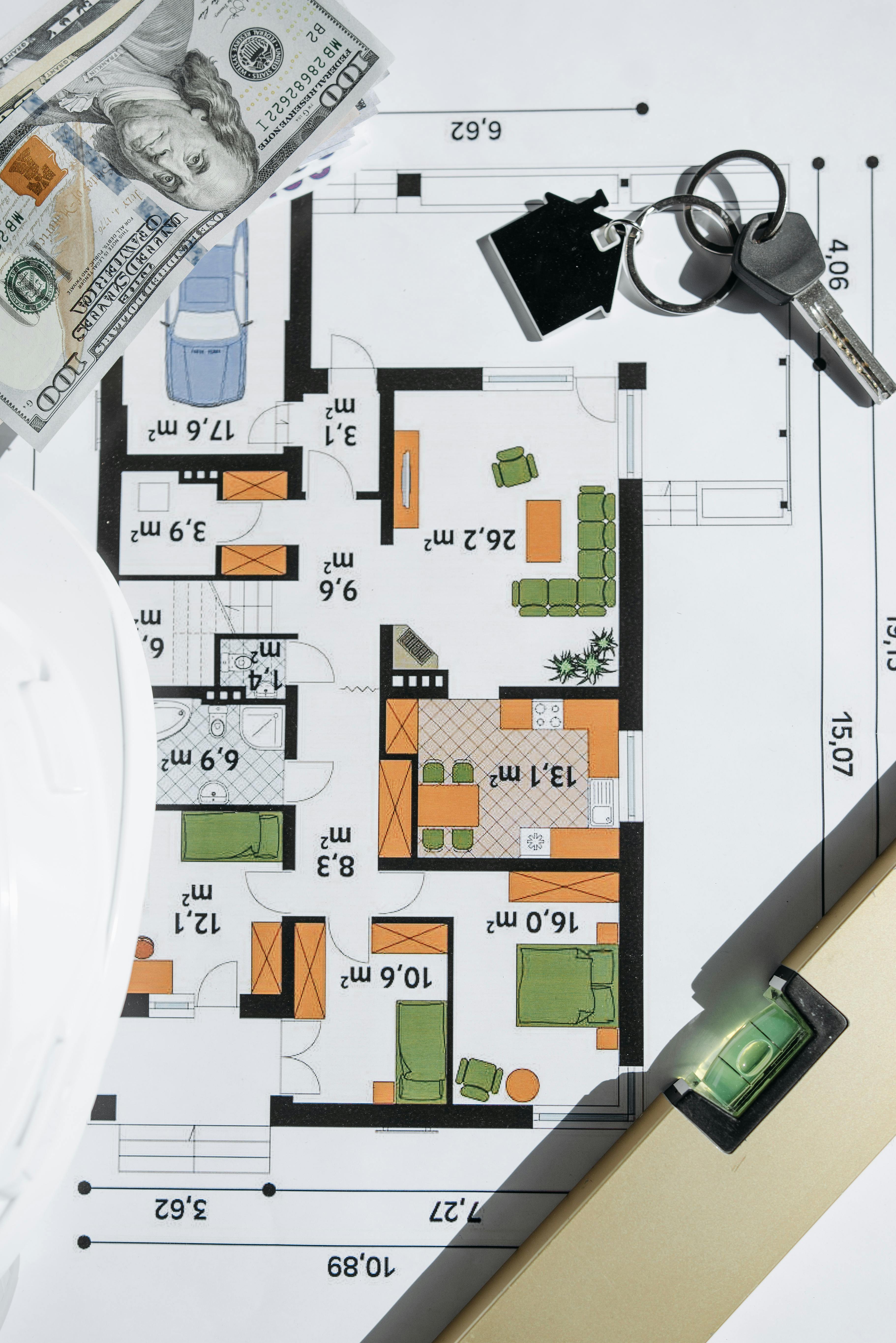
The goal here is simple: force every moving part onto one page before earnest money and calendar pressure make the decision harder to reverse.
- Ask your lender for a line-by-line estimate that separates closing costs, prepaids, escrow, and the down payment rather than giving only a round-number cash figure.
- Get an insurance estimate for the specific property or neighborhood before you anchor on the deal.
- Ask how earnest money is handled, when it is due, and how it will be credited later.
- Confirm whether property taxes are likely to reset or whether the local timing makes escrow heavier at your planned closing date.
- Keep inspection, appraisal, moving, and utility-startup cash outside the settlement figure so you do not pretend those costs do not exist.
- Protect post-closing reserves. A buyer who closes with no cushion may still be technically able to buy, but the move is fragile from day one.
What this page can and cannot tell you
This page can help you understand the structure of cash to close and the questions that usually change it. It cannot replace a property-specific Loan Estimate, an insurance quote for the actual address, a title-company fee sheet, or local tax timing. That is the line between useful planning and fake certainty.
If you still need the monthly-payment side of the decision, move next to How Much House Can You Actually Afford?. If you need to lock the household budget before you even tour homes, use How to Set a Home Budget Before You Tour. If the payment stays tight even after income improved, compare that pressure in Why Higher Incomes Still Do Not Fix Housing Affordability.
Bottom line
Cash to close is not one mystery number at the end of the process. It is the combined effect of the down payment, closing charges, prepaids, escrow funding, credits, deposits, and timing. The buyer who understands that structure early can make a cleaner offer, protect reserves, and walk away sooner when the move only works by ignoring real cash pressure.
Sources
The links below are primary consumer-finance and mortgage-planning references. Illustrative examples in this article are scenario math rather than quoted lender offers.
- Consumer Financial Protection Bureau, “What are all the costs of buying a home?”
- Consumer Financial Protection Bureau, “Closing Disclosure”
- Consumer Financial Protection Bureau, “Review documents before closing”
- Consumer Financial Protection Bureau, “Find the right home”
- Consumer Financial Protection Bureau, “Your Home Loan Toolkit”
- Freddie Mac, “Budgeting for Upfront Homebuying Costs”
- Freddie Mac, “Mortgage rates and affordability”
- Fannie Mae, “Prepare for the Costs of Buying and Owning a Home”
How this article was produced
This article was drafted with AI assistance and published by the Housing Pulse USA Editorial Team, which is responsible
for what appears here. Sources are linked in the text, and photographs carry their own credit and
licence.
We do not claim that a person re-checks every article before it is published, and we do not
present this as financial, legal, or tax advice. If you find something that looks wrong, tell us
and we will correct or withdraw it.
Leave a Reply